
How Physiotherapy Helps Recovery After Hip or Knee Surgery
Date: April 1, 2026
Author: Danielle Sinclair, Physiotherapist
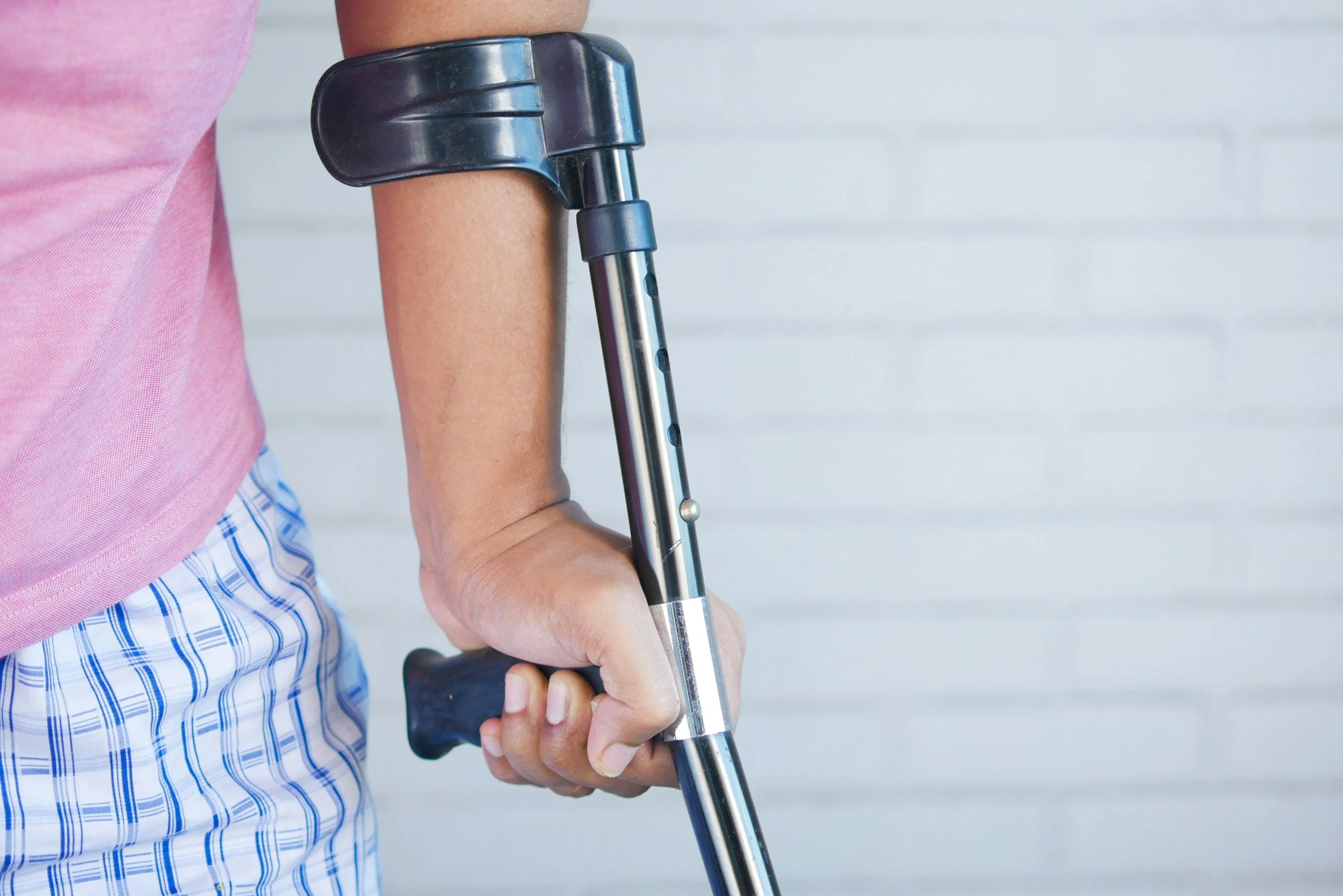
Recovering from hip or knee surgery takes time, patience, and the right rehabilitation. Physiotherapy plays a role in helping people regain strength, mobility, and confidence after surgery.
Whether someone has had a joint replacement or another orthopaedic procedure, physiotherapy helps support safe and effective recovery.
Why Rehabilitation is Important
After surgery, muscles can become weaker and joints may feel stiff. Without proper rehabilitation, it can be difficult to regain full movement and function.
Physiotherapy helps:
Restore joint movement
Rebuild muscle strength
Improve walking ability
Reduce pain and stiffness
Prevent complications
Early Stages of Recovery
In the early stages following surgery, physiotherapy focuses on gentle movements and exercises to help restore mobility and reduce stiffness.
This may include:
Gentle range of motion exercises
Walking practice with appropriate aids
Circulation exercises to reduce swelling
Building Strength and Stability
As healing progresses, exercises gradually increase to rebuild strength around the joint. Strong muscles help support the joint and improve stability when walking or moving.
Exercises may focus on:
Leg strength
Balance training
Functional movements like standing, walking, climbing stairs
Returning to Everyday Activities
The ultimate goal of physiotherapy is to help people return to their normal activities safely and confidently.
This may include:
Walking longer distances
Getting in and out of chairs more easily
Climbing stairs
Returning to hobbies and daily routines
Physiotherapy in Your Own Home
If you’ve just come out of surgery, consult your doctor or physio for guidance and a recovery plan. For many people recovering from surgery, travelling can be uncomfortable or difficult. Mobile physiotherapy allows treatment to take place at home, where exercises can be tailored to the individual’s environment and daily activities.
